Follow us:

One of the most common questions beginners ask is:
“If WordPress is so powerful, why is it free?”
It sounds almost too good to be true. A platform that powers over 40% of the web, used by bloggers, businesses, news sites, and even governments—yet anyone can download it without paying a single dollar.
So what’s really going on here?
In this guide, we’ll break everything down in simple terms and explain:
- Why WordPress is completely free
- How WordPress actually makes money (spoiler: it doesn’t)
- The real costs of running a WordPress website
- Common misconceptions about “hidden catches”
- Whether WordPress is still worth it in the long run
Let’s start from the beginning.
What Does “WordPress Is Free” Actually Mean?
When people say WordPress is free, they’re talking about WordPress.org, the self-hosted version of WordPress.
This means:
- You can download WordPress for free
- You can install it on your own hosting
- You can use it for personal or commercial projects
- You can modify it however you want
- You can sell products, services, or memberships using it
There is no license fee, no subscription, and no expiration date.
This freedom comes from the way WordPress is built and licensed.
WordPress Is Open Source (That’s the Key Reason)
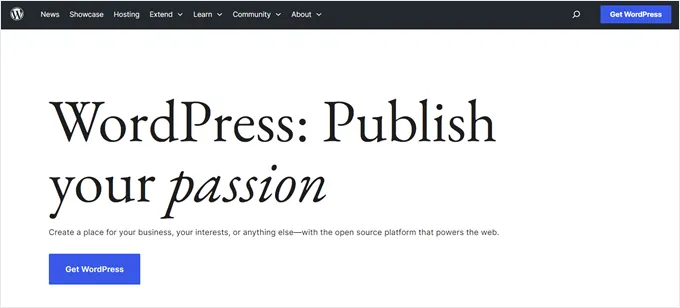
WordPress is open-source software, released under the GNU General Public License (GPL).
In simple words, this means:
- Anyone can use WordPress for free
- Anyone can study its code
- Anyone can modify it
- Anyone can redistribute it
Because of this license, WordPress can never be locked behind a paywall.
Even if a company wanted to sell WordPress itself, someone else could legally redistribute it for free.
This is the foundation of why WordPress stays free—forever.
Who Pays to Build and Maintain WordPress?
If WordPress is free, a natural question follows:
“Who is paying the developers?”
The answer is: a global community.
WordPress is built and maintained by:
- Volunteer developers
- Designers and translators
- Documentation writers
- Security researchers
- Companies that rely on WordPress for their business
Many large WordPress-focused companies contribute developer time and resources because WordPress powers their products and services.
So instead of one company owning WordPress, it’s maintained by an ecosystem that benefits from its success.
Does WordPress Make Money?
No. WordPress itself does not make money.
There is no company selling WordPress software.
However, there is an entire industry built around WordPress, including:
- Web hosting companies
- Theme developers
- Plugin developers
- Maintenance and security services
- Freelancers and agencies
These businesses don’t sell WordPress—they sell tools and services that work with WordPress.
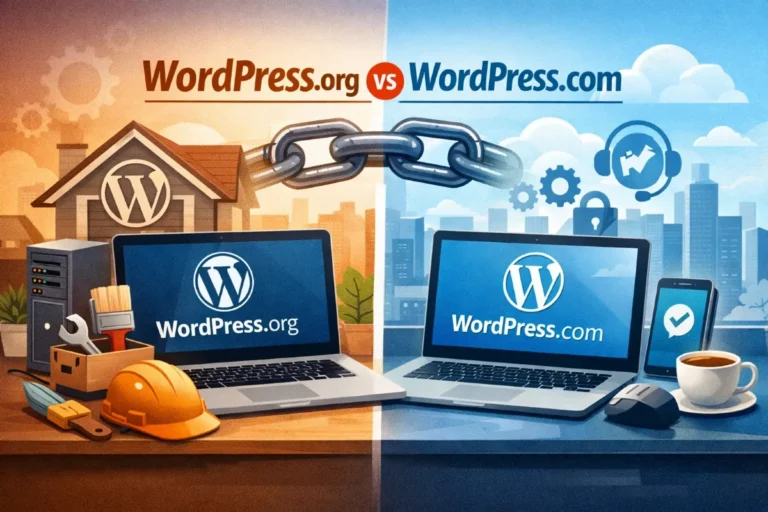
WordPress.org vs WordPress.com (Important Difference)
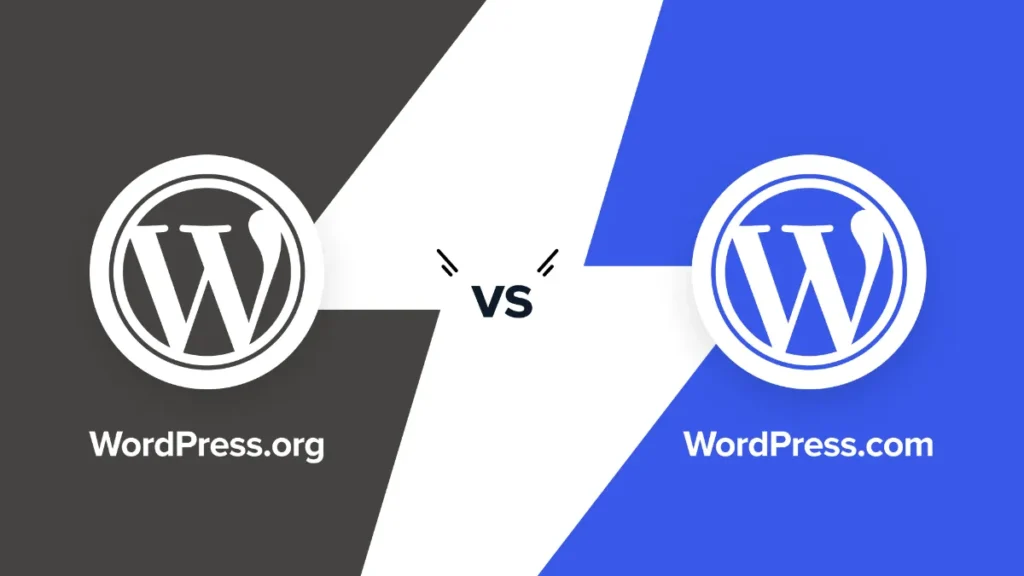
Many beginners get confused here, so let’s clarify.
WordPress.org
- Free, open-source software
- You need your own hosting
- Full control over your website
- You can install any theme or plugin
- Ideal for blogs, businesses, and professional sites
WordPress.com
- A commercial hosting service
- Offers free and paid plans
- Has limitations on plugins, themes, and monetization
- Charges monthly or yearly fees for advanced features
When people say “WordPress is free,” they’re talking about WordPress.org, not WordPress.com.
If WordPress Is Free, What Do You Actually Pay For?
While WordPress software itself is free, running a website does involve some costs.
Let’s break them down clearly.
1. Web Hosting (Required)
Your WordPress site needs a place to live on the internet. That’s what web hosting is for.
Hosting costs vary depending on:
- Performance
- Traffic
- Support quality
Typical cost range:
- Budget hosting: very low monthly cost
- Managed WordPress hosting: higher cost, better performance and support
This is the only unavoidable cost for using WordPress.
2. Domain Name (Required)
A domain name is your website address, like example.com.
You usually pay for:
- Initial registration
- Yearly renewal
Many hosting providers offer a free domain for the first year, but renewals are paid.
3. Themes (Optional)
WordPress offers thousands of free themes that are more than enough for many sites.
However, premium themes often provide:
- Advanced design options
- Better performance optimization
- Dedicated support
- Regular updates
You can run a professional site with a free theme, but some users prefer premium options for convenience and features.
4. Plugins (Optional)
Plugins add functionality to your WordPress site.
Examples include:
- SEO tools
- Security plugins
- Backup solutions
- Performance optimization
- E-commerce features
Many plugins are free and very powerful.
Premium plugins usually offer:
- Advanced features
- Priority support
- Integrations
- Better scalability
You only pay for plugins if you need specific features.
5. Maintenance and Services (Optional)
Some site owners choose to pay for:
- Website maintenance
- Security monitoring
- Speed optimization
- Professional support
These costs are optional and mostly relevant for business or high-traffic websites.
Is There Any “Catch” With Free WordPress?
Short answer: No.
There are no hidden fees, no forced upgrades, and no restrictions built into WordPress itself.
However, beginners sometimes misunderstand a few things, which creates the illusion of a “catch.”
Let’s clear those up.
Common Myths About WordPress Being Free
Myth 1: WordPress Is Free Because It’s Low Quality
Reality: WordPress powers some of the biggest websites in the world and is constantly improved by thousands of contributors.
Myth 2: You’ll Eventually Be Forced to Pay
Reality: You are never required to pay WordPress. Costs only come from optional services and tools you choose.
Myth 3: Free Means Insecure
Reality: WordPress is actively maintained, regularly updated, and highly secure when used correctly.
Myth 4: Free Means Limited
Reality: WordPress is one of the most flexible platforms ever created. You can build blogs, portfolios, business sites, online stores, and more.
Why Businesses Trust a Free Platform Like WordPress
Many beginners wonder why serious businesses use WordPress if it’s free.
The reason is simple:
- No vendor lock-in
- Full ownership of content
- Endless customization
- Massive ecosystem
- Long-term sustainability
Unlike closed platforms, WordPress doesn’t disappear if a company shuts down or changes pricing.
You own your site, your data, and your future.
Is WordPress Cheaper Than Website Builders?
In most cases, yes—especially long term.
Website builders often:
- Charge monthly fees
- Lock features behind higher plans
- Restrict customization
- Make migration difficult
With WordPress:
- You control how much you spend
- You can scale gradually
- You’re never forced into expensive plans
You pay only for what you actually need.
Is WordPress Still Worth It Today?
Absolutely.
WordPress continues to evolve with:
- Modern editing tools
- Performance improvements
- Better security
- Growing developer ecosystem
Its open-source nature ensures that it will remain relevant, flexible, and free—regardless of trends.
Final Thoughts: Why WordPress Being Free Is a Strength
WordPress is free not because it lacks value, but because it’s built on freedom.
You’re not paying for permission to use it.
You’re not trapped in a closed system.
You’re investing only in what helps your site grow.
That’s not a catch—that’s the reason WordPress has lasted for decades and continues to dominate the web.
If you want control, flexibility, and long-term stability, WordPress remains one of the best choices you can make.